Treatment for Neuropathy in Feet: Natural Remedies vs. Medical Care
For millions, the simple act of walking feels like stepping on crushed glass or a constant, burning fire. These are the telltale signs of peripheral neuropathy in the feet, a condition that disrupts the communication between your nerves and brain. It affects more than just physical comfort; it can turn a simple walk into a painful task and make a good night’s sleep a distant memory.
Many who suffer from this condition are left searching for relief, often finding themselves at a crossroads between modern medicine and natural remedies. Should you rely on prescriptions, or can dietary changes and supplements offer a path to healing? This guide will explore treatment for neuropathy in feet, examining the pros and cons of medical interventions and natural therapies, so you can make an informed decision for a life with less pain and more mobility.
What is Peripheral Neuropathy?
Before discussing treatment, it is vital to understand what is happening inside the body. Peripheral neuropathy is not a single disease but a result of damage to the nerves located outside of the brain and spinal cord (peripheral nerves). These nerves are responsible for sending information from your brain and spinal cord to the rest of your body and back again.
When these nerves are damaged, they malfunction. They might send pain signals when there is nothing causing pain, or they might fail to send a signal when you are injured. While diabetes is the leading cause of neuropathy in the United States, accounting for about 60% of cases, it is not the only culprit.
Other common causes include:
- Traumatic injuries: Car accidents, falls, or sports injuries can sever or damage peripheral nerves.
- Autoimmune diseases: Conditions like Sjogren’s syndrome, lupus, and rheumatoid arthritis can attack the nerve tissues.
- Vitamin deficiencies: B vitamins—specifically B1, B6, and B12—are crucial for nerve health.
- Medications: Certain chemotherapy drugs and other strong medications can cause nerve damage as a side effect.
- Alcoholism: Poor dietary choices made by people with alcohol use disorder can lead to vitamin deficiencies.
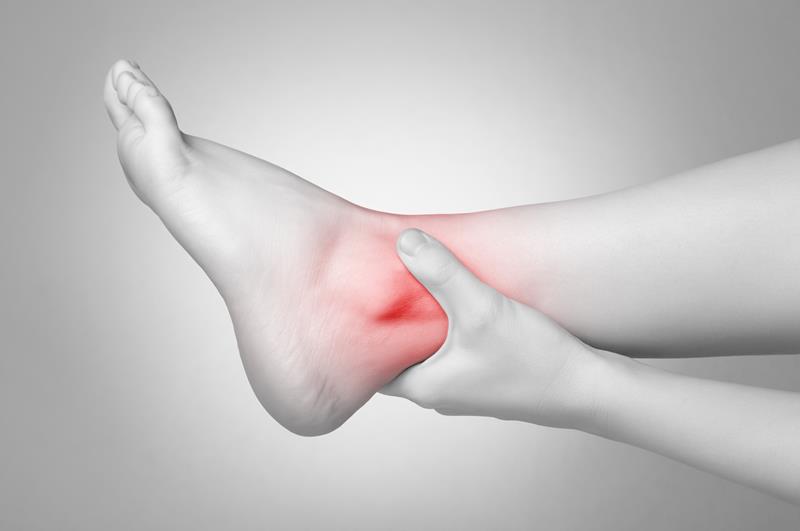
The Impact of Neuropathy on the Feet
While neuropathy can affect the hands, arms, and other parts of the body, it most frequently targets the feet and legs. This happens because the nerve fibers that extend to the toes are the longest in the body, making them the most vulnerable to damage.
The symptoms in the feet can vary significantly from person to person. Some experience a gradual onset of numbness or prickling or tingling in their feet or hands, which can spread upward into the legs and arms. This is often referred to as a “stocking-glove” distribution.
Others face more aggressive symptoms, including:
- Sharp, jabbing, or electric-like pain: Sudden jolts that can make standing or walking unbearable.
- Extreme sensitivity to touch: For some, even the weight of a bedsheet can be agonizing.
- Lack of coordination and falling: Because the nerves that tell the brain where your feet are in space (proprioception) are damaged, balance becomes a major issue.
- Muscle weakness: If motor nerves are affected, you may feel weakness or paralysis.
The impact on daily life is profound. The fear of falling can lead to a sedentary lifestyle, which in turn can worsen underlying conditions like diabetes or obesity.
Natural Remedies for Neuropathy
Many patients turn to natural remedies either as a first line of defense or because they want to avoid the side effects of pharmaceutical drugs. While natural remedies may take longer to show results compared to medication, they often focus on healing the nerve damage rather than just masking the symptoms.
Diet and Nutrition
Food is medicine, especially when it comes to nerve health. High blood sugar is toxic to nerves, so the most effective dietary change is reducing sugar and refined carbohydrates. This helps stabilize blood glucose levels and prevents further damage.
An anti-inflammatory diet is also highly recommended. This includes:
- Fruits and vegetables: Rich in antioxidants that fight nerve inflammation.
- Omega-3 fatty acids: Found in fatty fish like salmon and mackerel, flaxseeds, and walnuts. These help improve blood flow and reduce inflammation.
- Lean proteins: Essential for tissue repair.
Conversely, avoiding alcohol is crucial. Alcohol has a toxic effect on nerve tissue, and heavy consumption leads to nutritional deficiencies that worsen the condition.
Supplements with Scientific Backing
Several supplements have shown promise in clinical studies for supporting nerve health:
- Alpha-Lipoic Acid (ALA): This is an antioxidant found in food and also made naturally in the body. It has been shown to lower blood sugar levels and improve insulin resistance. Studies suggest ALA can help reduce symptoms of peripheral neuropathy, such as burning and pain.
- Acetyl-L-Carnitine: This nutrient helps the body produce energy. Some research indicates it may improve nerve function and reduce pain in people with diabetes.
- B-Complex Vitamins: Vitamin B12 is essential for the health of the myelin sheath, the protective coating around nerves. A deficiency in B12 mimics neuropathy symptoms and can cause permanent damage if not corrected.
Exercise and Physical Therapy
When you are in pain, exercise might be the last thing you want to do, but it is one of the best best neuropathy treatment available. Exercise improves blood flow to the arms and legs. More blood flow means more oxygen and nutrients reach the damaged nerves, which promotes healing.
Low-impact activities are best to avoid further stress on the feet. Swimming, stationary cycling, and yoga are excellent choices. Regular movement also helps manage blood sugar levels and weight, addressing the root causes of diabetic neuropathy.
Medical Treatments for Neuropathy
For many patients, natural remedies are not enough to manage the severe pain associated with neuropathy. Medical treatments aim to control symptoms so patients can maintain their quality of life.
Medications
There is no single pill that cures neuropathy, but several classes of drugs can help manage the pain:
- Pain Relievers: Over-the-counter pain medications, such as nonsteroidal anti-inflammatory drugs (NSAIDs), can relieve mild symptoms.
- Anti-seizure medications: Drugs such as gabapentin and pregabalin were originally developed to treat epilepsy. However, they are also effective at blocking pain signals from damaged nerves and are often the first line of prescription treatment.
- Antidepressants: Certain tricyclic antidepressants and serotonin-norepinephrine reuptake inhibitors (SNRIs) have been found to help relieve pain by interfering with chemical processes in the brain and spinal cord that cause you to feel pain. This creates a confusing situation for patients who are prescribed antidepressants but are not depressed; it is important to understand the mechanism is for pain modulation.
Advanced Therapies
When medication fails to provide relief, doctors may suggest more advanced interventions:
- TENS (Transcutaneous Electrical Nerve Stimulation): This therapy involves placing electrodes on the skin to deliver a gentle electric current at varying frequencies. It aims to disrupt pain signals preventing them from reaching the brain.
- Nerve Blocks: Local anesthetics or steroids can be injected directly into the area of the affected nerve to provide temporary relief.
- Spinal Cord Stimulation: For severe, chronic cases, a surgeon may implant a device that sends low levels of electricity into the spinal cord to relieve pain.
The Role of Virginia Joint and Spine Center
Navigating the various treatment options can be overwhelming. This is where specialized care becomes essential. The Virginia Joint and Spine Center specializes in diagnosing and treating complex musculoskeletal and neurological conditions, including neuropathy.
They understand that no two cases of neuropathy are identical. While one patient might suffer from diabetic neuropathy requiring strict glucose management, another might have nerve compression caused by spinal issues. The Virginia Joint and Spine Center utilizes cutting-edge diagnostic tools to pinpoint the exact source of nerve damage.
Their approach often integrates the best of both worlds. They provide access to necessary medical interventions and pain management protocols while supporting the patient’s journey toward lifestyle changes and physical rehabilitation. By offering a comprehensive evaluation, they can create a tailored treatment plan that addresses both the symptoms and the underlying causes.
Lifestyle Adjustments and Preventative Measures
Regardless of whether you choose natural or medical treatments, lifestyle adjustments are non-negotiable for long-term management.
Proper Foot Care
Because neuropathy causes a loss of sensation, you might not feel a blister, a pebble in your shoe, or a small cut. These minor injuries can become infected and lead to serious complications.
- Inspect your feet every day. Look for cuts, redness, or swelling.
- Wear shoes that fit properly. Avoid tight shoes or high heels. Look for footwear with a wide toe box.
- Keep feet clean and dry to prevent fungal infections.
Managing Underlying Conditions
If your neuropathy is caused by diabetes, keeping your blood sugar within your target range is the single most important thing you can do to prevent further nerve damage. High blood glucose levels damage nerves over time, so strict monitoring is essential.
Stress Reduction
Chronic pain creates stress, and stress heightens the body’s sensitivity to pain. It becomes a vicious cycle. Incorporating relaxation techniques such as deep breathing exercises, meditation, or progressive muscle relaxation can help break this cycle. Reducing stress hormones in the body creates a better environment for healing.

Comparing Natural Remedies and Medical Treatments
So, which approach is better? The answer usually lies in the severity of the condition and the patient’s overall health goals.
Natural Remedies:
- Pros: Generally fewer side effects; addresses whole-body health; can potentially reverse damage in early stages (especially nutritional causes).
- Cons: Results can be slow; may not be strong enough for severe, acute pain; supplements can interact with other medications.
Medical Treatments:
- Pros: Fast-acting relief; crucial for managing severe pain that prevents sleep or movement; keeps high-risk conditions (like uncontrolled diabetes) in check.
- Cons: Potential for significant side effects (dizziness, drowsiness); often masks symptoms rather than curing the root cause; risk of dependency with certain pain medications.
For many, the most effective strategy is an integrative approach. This involves using medical treatments to bring pain levels down to a manageable state, which then allows the patient to engage in the exercise and dietary changes necessary for long-term natural healing.
Taking the Next Step Toward Relief
Don’t let peripheral neuropathy control your life. While medical treatment for feet neuropathy s offer fast pain relief, natural remedies can address the root cause of your nerve damage. The most effective strategy often combines both.
Early intervention is key to reversing damage and maintaining your mobility. If you’re struggling with foot pain, seek a professional consultation.
Contact the Virginia Joint and Spine Center today. Their team can provide an accurate diagnosis and a treatment plan that offers real hope for relief.
Loebig Chiropractic
https://maps.app.goo.gl/4R8h5kZxYpF7a1bF7
754 Walker Rd, Great Falls, VA 22066
(703) 757-5817
https://loebigchiropractic.com/


