Steps to Relief: Effective Treatment for Neuropathy in Legs and Feet
Living with neuropathy in your legs and feet can feel like walking on a path of uncertainty. For some, it starts as a mild tingling, like “pins and needles” that won’t go away. For others, it progresses to burning pain, sharp jabs, or a numbness that makes every step feel precarious. It is not just physical discomfort; it is an emotional weight that can limit your freedom and affect your joy in daily life.
At Virginia Joint and Spine Center, we understand how isolating chronic pain can be. You might have been told that your condition is permanent or that medication is your only option. We are here to tell you that there is hope. Understanding your condition is the first step toward reclaiming your mobility and comfort. This guide explores effective, non-invasive treatment for neuropathy in legs and feet designed to target the root cause of your neuropathy, offering you a pathway back to the active life you deserve.
Understanding Neuropathy in Legs and Feet
Peripheral neuropathy is, at its core, a communication breakdown. Your nervous system is a vast electrical network that sends signals between your brain and the rest of your body. When the nerves in your extremities—specifically the legs and feet—are damaged, that signal gets distorted.
Sometimes, the nerves send signals of pain when there is no cause (burning or shooting pain). Other times, they fail to send signals at all (numbness). This condition affects nearly 20 million Americans, yet it is often misunderstood as just “part of getting older.”
Recognizing the Symptoms
The symptoms of neuropathy often develop gradually, which can make them easy to dismiss at first. However, recognizing them early is key to effective treatment. Common signs include:
- Sensory Changes: Often starting as a persistent “pins and needles” sensation, which can progress to burning, freezing, or throbbing pain.
- Hypersensitivity: Known as allodynia, this is when parts of your feet become so sensitive that even a soft sock can cause pain.
- Numbness: You might lose the ability to feel temperature or pain, increasing the risk of unnoticed cuts or blisters on your feet.
- Muscle Weakness and Coordination Issues: If motor nerves are affected, you may experience muscle weakness, cramps, or a loss of balance, which can lead to falls.
Understanding these symptoms is the first step toward validation. Your pain is real, it has a physiological cause, and importantly, it deserves specialized attention.
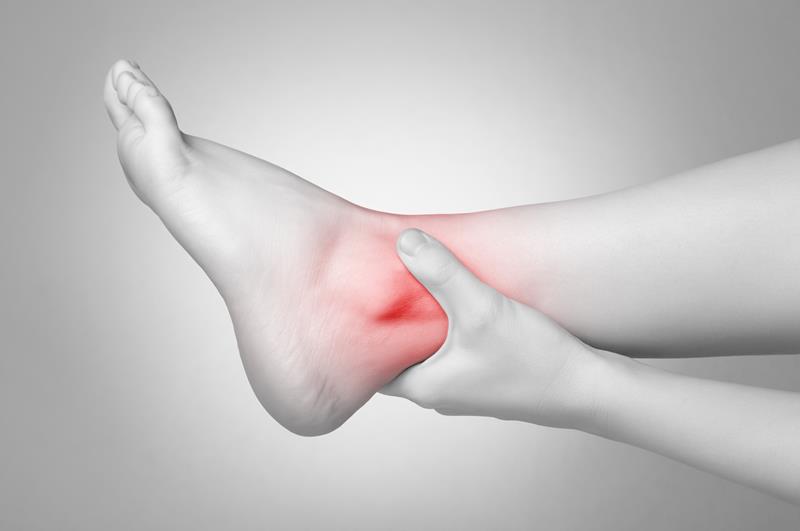
Causes of Neuropathy: Why Your Nerves Are Suffering
To treat neuropathy effectively, we must first understand the root cause. While nerve damage can stem from traumatic injuries or infections, it is most frequently associated with systemic health issues.
The Diabetes Connection
Diabetes is the leading cause of peripheral neuropathy in the United States. High blood sugar levels act like a slow poison to the nerves. Over time, excess glucose in the bloodstream damages the delicate walls of the small blood vessels (capillaries) that supply oxygen and nutrients to the nerves. Without this essential fuel, the nerves become damaged and lose their ability to transmit signals effectively.
Other Contributing Factors
While diabetes is common, it is not the only culprit.
- Autoimmune Diseases: Conditions like rheumatoid arthritis, lupus, and Sjogren’s syndrome can cause the immune system to attack the body’s own tissues, leading to nerve inflammation.
- Vitamin Deficiencies: Your nerves require specific nutrients to maintain their protective coating, known as myelin. Deficiencies in B vitamins—specifically B1, B6, and B12—can lead to significant nerve damage.
- Trauma or Pressure: Injuries from accidents, falls, or repetitive stress can sever or compress nerves.
- Lifestyle Factors: Chronic alcohol use, exposure to toxins, and a sedentary lifestyle can all contribute to poor circulation and nerve degradation.
Regardless of the cause, the mechanism is usually similar: the nerve cells are starved of oxygen or physically damaged, leading to the chronic symptoms you experience.
The Limitations of Traditional Pain Management
When patients first seek help for neuropathy, the standard medical response often involves a prescription pad. Medications such as Gabapentin, Lyrica, or Cymbalta are frequently prescribed to manage nerve pain.
While these medications can provide temporary relief for some, they come with significant limitations. These drugs work by chemically blocking the pain signals sent to the brain. In essence, they are turning off the “check engine” light without fixing the engine. They mask the symptom, but they do not repair the damaged nerve or address the underlying cause of the condition.
Furthermore, relying solely on medication can lead to unwanted side effects. Many patients report feeling drowsy, dizzy, or mentally “foggy,” which can be just as debilitating as the pain itself. Long-term reliance on painkillers can also lead to tolerance, requiring higher doses for the same effect.
For true, lasting relief, a more holistic approach is necessary—one that focuses on healing the nerve environment rather than just silencing the pain.
Chiropractic Care: A Specialized Approach at Virginia Joint and Spine Center
For many, chiropractic care is associated primarily with back pain. However, it is a powerful tool for addressing nervous system disorders, including neuropathy. At the Virginia Joint and Spine Center, we specialize in non-invasive, drug-free treatments designed to help the body heal itself.
Your spine is the central highway for your nervous system. Misalignments in the spine, particularly in the lower back, can place undue stress on the nerve roots that extend down into your legs and feet. This compression can inhibit the flow of nerve energy and blood, exacerbating neuropathy symptoms.
How We Help
At the Virginia Joint and Spine Center, we do not believe in a one-size-fits-all approach. We understand that every patient’s pain is unique. Our chiropractic care for neuropathy focuses on:
- Restoring Alignment: Gentle spinal adjustments help remove pressure from nerve roots, improving the communication between the brain and the body.
- Increasing Circulation: By correcting structural issues, we can help improve blood flow to the extremities, ensuring your nerves get the oxygen they need to repair.
- Nerve Stimulation: We utilize specialized techniques to stimulate the damaged nerves, encouraging them to regenerate and function correctly again.
Our goal is to create a warm, welcoming environment where you feel heard and supported. We partner with you to create a comprehensive plan that addresses not just the pain, but the structural and functional health of your body.

Lifestyle Changes to Support Nerve Health
Recovery is a partnership. While we provide advanced treatments in the clinic, the choices you make at home play a crucial role in your healing process. Nerves need the right environment to repair themselves.
Nutrition Matters
A diet rich in whole foods can reduce inflammation and support nerve health. We often recommend focusing on:
- Vitamin B12: Essential for nerve health, found in meat, fish, eggs, and fortified cereals.
- Antioxidants: Fruits and vegetables, particularly berries and leafy greens, help fight oxidative stress that damages tissues.
- Alpha-lipoic acid: Found in spinach and broccoli, this antioxidant has shown promise in lowering blood sugar levels and reducing nerve pain.
Movement is Medicine
Regular, low-impact exercise is vital. Activities like swimming, stationary cycling, or gentle walking improve blood circulation. Better circulation means more oxygen and nutrients reaching your damaged nerves, which aids in repair.
Manage Stress
Chronic stress triggers inflammation in the body, which can worsen neuropathy symptoms. Incorporating relaxation techniques such as deep breathing or meditation can help calm your nervous system.
Advanced Therapies for Neuropathy Relief
At the Virginia Joint and Spine Center, we often integrate chiropractic care with other advanced therapies to maximize relief. Treating neuropathy often requires a multi-pronged approach.
Complementary Treatments
- Laser Therapy: Low-level laser therapy (often called cold laser therapy) uses specific wavelengths of light to penetrate tissues. This stimulates cellular energy production, reduces inflammation, and accelerates tissue repair. It is painless and has shown great promise in treating nerve pain.
- Decompression Therapy: If your neuropathy is linked to spinal compression, non-surgical spinal decompression can gently stretch the spine, relieving pressure on discs and nerves.
- Physical Therapy: Specialized exercises can help improve balance and strength. This is particularly important for neuropathy patients who have lost sensation in their feet, as it helps retrain the brain and body to prevent falls.
By combining these advanced modalities with chiropractic adjustments, we address the condition from multiple angles—structural, cellular, and functional.
Preventing Neuropathy Progression
One of the most frightening aspects of neuropathy is the fear that it will get worse. Without intervention, it often does. However, progression is not inevitable.
Early intervention is critical. The sooner you address nerve damage, the better the chances of regeneration. Nerves heal slowly, so patience and consistency are required, but improvement is absolutely possible.
Regular check-ups are essential. At the Virginia Joint and Spine Center, we monitor your progress closely. We help you stay accountable for your health goals, whether that involves managing blood sugar levels, sticking to an exercise routine, or maintaining spinal health.
Prevention also means protection. Because sensation may be diminished, checking your feet daily for cuts, blisters, or dry skin is vital to prevent infections that can lead to serious complications.

Taking the First Step: Your Path to Relief
You do not have to accept chronic pain and limited mobility as your new normal. Say goodbye to the negative side effects of pain medications and discover a better solution for your leg and foot pain.
At Virginia Joint and Spine Center, we are committed to providing you with the most advanced treatments in a welcoming environment you can trust. Our exceptional team is ready to listen to your story, evaluate your condition, and build a personalized plan to get you back on your feet.
Don’t let neuropathy dictate your life any longer. Schedule a consultation with us today and take the first step toward a future with less pain and more freedom.
Loebig Chiropractic
https://maps.app.goo.gl/4R8h5kZxYpF7a1bF7
754 Walker Rd, Great Falls, VA 22066
(703) 757-5817
https://loebigchiropractic.com/


