Migraine Treatment McLean VA
For many residents in McLean, VA, life moves at a demanding pace. Between navigating high-pressure careers, managing family schedules, and maintaining a social life, there is little room for downtime. However, for those who suffer from migraines, downtime is not a choice; it is a forced interruption. A migraine is far more than just a bad headache. It is a neurological event that can derail plans, disrupt work, and make even the simplest daily tasks feel insurmountable.
Understanding the mechanisms behind these debilitating episodes is the first step toward regaining control. Effective management requires a multifaceted approach: identifying personal triggers, addressing symptoms the moment they arise, and implementing long-term strategies to prevent future attacks. While medication is a crucial tool for many, non-pharmaceutical interventions and lifestyle adjustments often play an equally vital role in reducing the frequency and severity of episodes.
In McLean, accessing specialized migraine treatment ensures that treatment plans are personalized and responsive to individual needs. This comprehensive guide explores the anatomy of a migraine, identifies common culprits, and details the robust treatment options available. From at-home remedies to the expert care provided by Virginia Joint and Spine, living a life with fewer migraines—and greater comfort—is an achievable goal.
Understanding the Complexity of Migraines
What Sets Migraines Apart from Headaches
The distinction between a tension headache and a migraine lies in the biology. A standard tension headache typically involves mild to moderate pain, often described as a tight band around the forehead. A migraine, conversely, involves a cascade of brain activity that fundamentally alters nerve signals and chemical balances. During a migraine, specific chemicals in the brain, such as serotonin and calcitonin gene-related peptide (CGRP), fluctuate drastically. This chemical instability causes blood vessels in the brain to dilate and become inflamed. The result is a throbbing, pulsing pain that is frequently unilateral (occurring on one side of the head).
The Four Phases of a Migraine Attack
- Prodrome: This “pre-headache” phase can begin hours or even days before the pain strikes. It serves as a warning sign. Symptoms are often subtle and can include unexplained mood changes, intense food cravings (especially for sweets or carbs), uncontrollable yawning, or neck stiffness.
- Aura: Affecting approximately one-third of migraine sufferers, the aura phase usually occurs just before or during the onset of pain. It involves reversible nervous system symptoms, most commonly visual disturbances like flashing lights, zigzag patterns, or blind spots. Some individuals may also experience tingling in the hands or face, or difficulty speaking.
- Attack: This is the acute phase where the pain hits. Without treatment, this phase can last anywhere from four to 72 hours. The pain is intense, often aggravated by physical activity, and accompanied by sensory sensitivity.
- Postdrome: Often referred to as the “migraine hangover,” this final phase leaves individuals feeling drained, confused, and physically washed out. The effects can linger for up to 24 hours after the pain has subsided, making a full return to normal activities difficult.
Common Migraine Misconceptions
Society often minimizes the severity of migraines, attributing them solely to stress or an inability to handle pressure. This stigma is damaging. Migraines are a neurological disorder with significant genetic components; if one parent suffers from migraines, a child has a 50% chance of developing them. While stress is indeed a potent trigger, it is rarely the sole cause. Factors ranging from barometric pressure changes to hormonal shifts play equally significant roles. Dismissing the condition as psychological prevents sufferers from seeking necessary medical interventions.

Identifying Your Unique Migraine Triggers
Dietary Culprits and Surprising Foods
- Tyramine: Found naturally in aged foods, tyramine is a notorious trigger. Aged cheeses (like cheddar, blue cheese, or brie), smoked fish, cured meats, and fermented products like sauerkraut are high in this compound.
- Nitrates and Nitrites: Commonly used as preservatives in processed meats like bacon, hot dogs, and deli meats, these chemicals can dilate blood vessels and trigger headaches.
- Caffeine: This is a double-edged sword. While small amounts can help stop a migraine, excessive consumption—or the withdrawal symptoms from skipping a morning cup—can trigger one.
- Alcohol: Red wine is frequently cited as a trigger due to its content of tannins, histamines, and sulfites. However, any alcohol can cause dehydration, a major risk factor.
Environmental and Lifestyle Factors
- Weather Changes: Drastic shifts in barometric pressure, which often accompany thunderstorms or rapid temperature changes, can create pressure imbalances in the sinuses and brain, triggering pain for weather-sensitive individuals.
- Sensory Overload: Bright sunlight, flickering fluorescent lights, strong odors (like perfume, cigarette smoke, or paint thinner), and loud noises can overwhelm a sensitized nervous system.
- Lifestyle Habits: The brain craves homeostasis. Skipping meals leads to blood sugar drops (hypoglycemia), which can trigger a migraine. Similarly, irregular sleep patterns—either getting too little sleep or “sleeping in” on weekends—can disrupt the brain’s regulatory mechanisms.
Hormonal Fluctuations and Their Impact
For women, hormones are often the primary dictator of migraine patterns. Estrogen plays a critical role in pain regulation. Many women experience “menstrual migraines,” which occur in the window immediately before or during their period when estrogen levels drop precipitously. These attacks are often more severe and resistant to treatment than non-hormonal migraines. Pregnancy and menopause also bring significant hormonal shifts. While some women find relief during pregnancy due to stable hormone levels, others see an increase in attacks. Menopause can cause erratic fluctuations that worsen symptoms before they eventually stabilize.
The First Line of Defense: At-Home and Over-the-Counter Care
Creating a Soothing Home Environment
During a migraine, the brain is in a state of hyper-excitability. The most effective non-medical strategy is sensory deprivation. Retreating to a quiet, dark room allows the nervous system to calm down. Blackout curtains or a high-quality eye mask can reduce photophobia, while noise-canceling headphones can block out aggravating sounds. Temperature regulation is also key. Many sufferers find that keeping the room cool aids in recovery. Minimizing movement is crucial, as physical exertion increases blood flow to the head, intensifying the throbbing pain and often worsening nausea.
Effective Over-the-Counter Medications
- NSAIDs: Non-steroidal anti-inflammatory drugs like ibuprofen (Advil, Motrin) or naproxen sodium (Aleve) work by blocking the production of substances that cause inflammation and pain.
- Combination Drugs: Products marketed specifically for migraines (like Excedrin Migraine) typically combine aspirin, acetaminophen, and caffeine. The caffeine is crucial as it helps the body absorb the pain relievers faster and constricts dilated blood vessels.
The Golden Rule of Timing: The window of opportunity is small. Taking medication during the prodrome phase or at the very first twinge of pain increases the likelihood of aborting the attack. Waiting until the pain is severe usually renders OTC medications ineffective. However, care must be taken to avoid “medication-overuse headaches,” which occur when pain relievers are used too frequently (generally more than 10-15 days a month).
Natural and Complementary Remedies
- Supplements: Magnesium oxide is widely recommended for migraine prevention, particularly for those who experience aura. Vitamin B2 (Riboflavin) and Coenzyme Q10 have also demonstrated potential in reducing attack frequency when taken consistently over several months.
- Temperature Therapy: Applying an ice pack or cold compress to the forehead or the back of the neck can constrict blood vessels and numb the area, providing acute relief. Conversely, some individuals find that a warm heating pad on the neck and shoulders relaxes tight muscles that may be triggering the headache.
When to Seek Professional Migraine Treatment
Signs Your Migraines Require Medical Attention
It is time to seek professional help if migraines occur more than once a week, require daily pain medication, or interfere significantly with work, school, or social activities. A change in the pattern of headaches—such as an increase in frequency or intensity—also warrants a check-up.
Red Flags: Immediate medical attention is required for “thunderclap” headaches (the worst headache of your life that comes on suddenly), headaches accompanied by confusion, stiff neck, fever, double vision, or weakness/numbness, or if a new headache pattern emerges after the age of 50.
The Role of a Primary Care Physician vs. a Specialist
- Neurologists: These specialists focus on disorders of the nervous system and have access to advanced diagnostic tools and specific migraine therapies.
- Joint and Spine Specialists: In cases where musculoskeletal issues—such as neck alignment or jaw tension—contribute to the pain, specialists focusing on joint and spine health, like those at Virginia Joint and Spine in McLean, offer targeted physical interventions.
Preparing for Your Doctor’s Appointment
Productive consultations rely on accurate data. Patients should arrive with a headache diary detailing the frequency, duration, and intensity of attacks over the past month. Recording potential triggers, dietary intake, and sleep patterns helps the physician identify trends. It is also vital to list all current medications and supplements to prevent negative interactions. Writing down questions beforehand ensures that concerns about side effects and treatment expectations are fully addressed.
Advanced Medical Treatments for Relief
Prescription Medications for Acute Attacks
“Abortive” medications are designed to stop a migraine that has already started.
- Triptans: These are the gold standard for acute migraine treatment. Available as pills, nasal sprays, or injections, triptans stimulate serotonin receptors to constrict blood vessels and block pain pathways.
- Gepants and Ditans: For patients who cannot take triptans due to cardiovascular risks, these newer drug classes offer alternatives. They target specific proteins or receptors involved in migraine signaling without constricting blood vessels.
Preventive Medications for Chronic Sufferers
- Cardiovascular Drugs: Beta-blockers and calcium channel blockers, originally designed for high blood pressure, effectively reduce migraine frequency for many patients.
- Antidepressants: Tricyclic antidepressants can alter brain chemicals like serotonin and norepinephrine to regulate pain signals.
- Anti-Seizure Medications: Drugs originally developed for epilepsy work by calming overactive nerves in the brain, preventing the electrical wave that starts a migraine.
Innovative Therapies: Botox and CGRP Inhibitors
For chronic/refractory migraines, science has delivered targeted breakthroughs.
- Botox: FDA-approved for chronic migraines, OnabotulinumtoxinA injections are administered every 12 weeks around the head and neck. They block the release of chemicals involved in pain transmission.
- CGRP Inhibitors: This groundbreaking class of drugs was designed specifically for migraines. Monoclonal antibodies block the CGRP protein (which spikes during attacks) or its receptor. Available as monthly injections or daily pills, these have been life-changing for patients who did not respond to older preventives.
A Holistic Approach to Managing Migraines
The Power of Physical Therapy and Exercise
Musculoskeletal tension in the neck and shoulders is a massive contributor to migraine symptoms. Physical therapy addresses this by improving posture (fixing that “tech neck”) and strengthening the upper back muscles. Therapists utilize manual techniques to mobilize stiff joints and release trigger points that refer pain into the head. Regular, moderate aerobic exercise—like swimming, cycling, or walking—stimulates the release of natural endorphins. While care must be taken to warm up properly to avoid exercise-induced headaches, establishing a consistent fitness routine reduces overall stress and improves sleep quality.
Mind-Body Techniques for Stress Reduction
- Biofeedback: This therapy uses monitoring equipment to teach patients how to control automatic body functions, such as heart rate and muscle tension.
- CBT: Cognitive Behavioral Therapy helps patients change negative thought patterns associated with pain, reducing the anxiety that often creates a feedback loop with chronic conditions.
- Mindfulness: Meditation and progressive muscle relaxation techniques shift focus away from pain and lower overall physiological arousal.
Acupuncture and Massage Therapy
Traditional practices offer valid avenues for relief. Acupuncture, involving the insertion of thin needles into specific points, helps stimulate the nervous system and has been shown in clinical studies to reduce headache frequency. Massage therapy targets muscle tension in the neck and shoulders, improving blood flow and reducing the baseline level of physical stress that can tip a patient into a migraine episode.
Virginia Joint and Spine: Integrated Care for Lasting Relief
A Philosophy of Compassionate, Patient-Centered Care
Chronic pain affects every aspect of life, from career ambitions to family relationships. Virginia Joint and Spine operates on the understanding that successful treatment requires validation and listening. The diagnostic process involves thorough evaluations to pinpoint not just the symptoms, but the root causes. The approach moves away from one-size-fits-all prescriptions, focusing instead on the specific needs and goals of the individual. This partnership is essential for managing complex, chronic conditions.
Non-Surgical Solutions for Head and Neck Pain
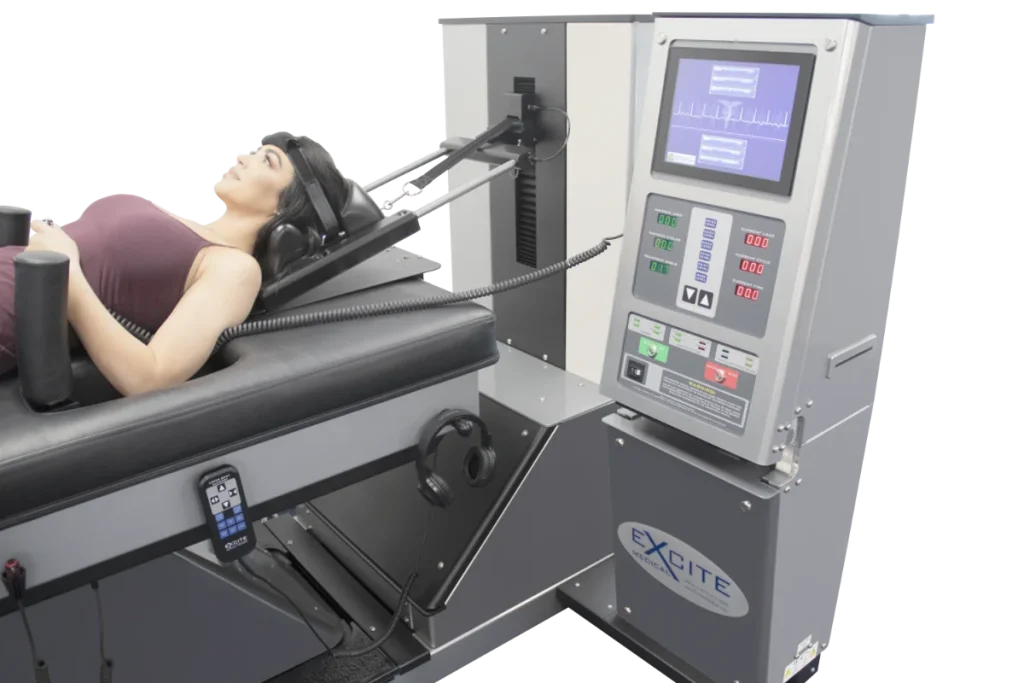
Many migraine sufferers experience “cervicogenic” headaches—pain that originates in the neck but is felt in the head. Virginia Joint and Spine specializes in non-invasive treatments to address these musculoskeletal contributors. Therapies may include spinal adjustments to restore alignment, soft tissue mobilization to break down scar tissue, and regenerative medicine techniques. Addressing the structural integrity of the neck reduces the neural inputs that sensitize the brain to migraine triggers, offering relief without the risks of surgery.
Developing Your Personalized Treatment Plan
Successful migraine management requires a strategy, not just a pill. The team at Virginia Joint and Spine collaborates to build comprehensive plans that integrate medical interventions with physical rehabilitation. This might include combining Migraine Treatment in McLean, VA, with nutritional counseling and physical therapy. Regular follow-ups ensure the plan evolves as the patient’s condition improves, coordinating care across different modalities for optimal outcomes.
Building a Sustainable, Migraine-Resilient Lifestyle
The Importance of Consistent Sleep Hygiene
The migraine brain craves routine. It does not handle changes in rhythm well. Establishing a strict sleep schedule involves waking up and going to bed at the same time every day, including weekends. This regularity regulates the circadian rhythm, a key factor in neurological stability. Creating a bedroom environment conducive to sleep—cool, dark, and screen-free—facilitates deeper rest.
Nutritional Strategies for Long-Term Management
Long-term dietary habits influence inflammation levels. Adopting an anti-inflammatory diet rich in omega-3 fatty acids, leafy greens, and whole grains supports brain health. Hydration remains paramount; even mild dehydration can precipitate a headache. Drinking water consistently throughout the day is one of the simplest, most effective preventive measures available. Avoiding skipped meals prevents the blood sugar crashes that often precede an attack.
Tracking Progress and Adjusting Your Plan
Management is an ongoing process. Continuing to use a migraine diary allows for the tracking of long-term trends and the effectiveness of new treatments. Data regarding attack frequency, severity, and medication usage provides the necessary information for healthcare providers to adjust prescriptions or therapies. Flexibility in the treatment plan ensures it remains effective as the patient’s lifestyle and biology change over time.
Conclusion
Managing migraines requires a comprehensive understanding of the condition’s biological complexity and individual triggers. It is rarely solved by a single solution, but rather by a combination of medical expertise, lifestyle adjustments, and self-awareness. From identifying dietary triggers to utilizing advanced medical treatments and holistic therapies, relief comes from a multi-pronged approach.
Residents do not have to endure pain in isolation or accept it as a permanent state. Integrated care plans that address both the neurological and musculoskeletal aspects of migraines provide a clear path toward reduced frequency and severity. With the right resources and expert support close to home, a life defined by wellness rather than pain is within reach.
Take control of your health today. Schedule a consultation with Virginia Joint and Spine to discuss personalized options for Migraine Treatment in McLean, VA.


