Migraine Treatment Great Falls VA
Migraines are more than just headaches—they can disrupt work, family time, and daily activities, making even simple tasks feel overwhelming. For anyone who experiences these intense episodes, understanding what triggers migraines and how to treat them is the first step toward regaining control and improving quality of life.
Effective migraine treatment starts with identifying personal triggers, addressing symptoms when they occur, and exploring strategies to prevent future attacks. While medications play a role for some, non-drug approaches and lifestyle adjustments can also make a significant difference. In Great Falls, VA, accessing local expertise ensures that care is personalized and tailored to individual needs.
This guide walks through the most common migraine triggers, explains different treatment approaches, highlights lifestyle tips that can reduce frequency and severity, and shows how trusted providers like Virginia Joint and Spine support patients in managing migraines. With the right knowledge and resources, living with fewer migraines—and more comfort—is possible.
Understanding the Complexity of Migraines
What Sets Migraines Apart from Headaches
Migraines differ significantly from tension-type headaches due to their neurological origins. While a standard headache involves mild to moderate pain, a migraine results from a wave of brain activity that affects nerve signals and chemicals, specifically serotonin and calcitonin gene-related peptide (CGRP). This activity causes blood vessels to dilate and inflame, leading to severe, often unilateral pulsing pain. Accompanying symptoms frequently distinguish migraines from other conditions. These symptoms include extreme sensitivity to light and sound, nausea, vomiting, and visual disturbances known as auras. Understanding this biological distinction remains the first step in seeking appropriate care.
The Four Phases of a Migraine Attack
A migraine episode typically progresses through four distinct phases, though not every individual experiences all of them. The prodrome phase occurs hours or days before the pain starts, marked by subtle warnings like mood changes, food cravings, or stiffness. The aura phase follows for some, presenting visual flashes, blind spots, or tingling sensations. The attack phase brings the debilitating pain, which can last from four to 72 hours if untreated. Finally, the postdrome phase, often called the “migraine hangover,” leaves individuals feeling drained, confused, or washed out for up to a day. Recognizing these phases helps patients administer treatment at the most effective time.
Common Migraine Misconceptions
Many people incorrectly categorize migraines as simply “bad headaches” or attribute them solely to stress. This minimizes the severity of the condition, which functions as a complex neurological disease with genetic components. While stress serves as a common trigger, it does not act as the sole cause. Factors ranging from genetics to environmental shifts play equally significant roles. Dismissing migraines as purely psychological or stress-induced prevents sufferers from seeking necessary medical interventions. Acknowledging the biological reality of the condition validates the patient’s experience and opens pathways to effective management.
Identifying Your Unique Migraine Triggers
Dietary Culprits and Surprising Foods
Certain foods contain chemical compounds that affect blood vessel dilation and trigger attacks in susceptible individuals. Tyramine, a substance found naturally in aged cheeses, smoked fish, and cured meats, serves as a frequent offender. Nitrates in processed meats and excessive caffeine consumption—or withdrawal—also correlate with migraine onset. Alcohol, specifically red wine, contains histamines and sulfites that provoke symptoms. Keeping a detailed food diary assists in isolating specific dietary triggers. Eliminating these items systematically helps determine if diet modification offers a viable path to pain reduction.
Environmental and Lifestyle Factors
External environments influence neurological stability significantly. Drastic changes in barometric pressure, often accompanying storms or altitude shifts, can induce pressure imbalances in the sinuses and brain, triggering pain. Sensory stimuli, including bright or flickering lights, strong odors like perfume or smoke, and loud noises, overwhelm the nervous system. Lifestyle inconsistencies also contribute; skipping meals leads to blood sugar drops, while irregular sleep patterns disrupt the brain’s regulatory mechanisms. Identifying these variables allows individuals to modify their surroundings or habits to maintain a more stable neurological state.
Hormonal Fluctuations and Their Impact
Hormones, specifically estrogen, play a critical role in migraine frequency, particularly for women. Many women report “menstrual migraines” that occur immediately before or during their period when estrogen levels drop largely. Pregnancy and menopause also bring significant hormonal shifts that can alter migraine patterns, sometimes worsening them and other times alleviating them. Understanding the link between the endocrine system and neurological health helps in predicting attacks. This knowledge enables the timing of preventive measures to coincide with known hormonal cycles.
The First Line of Defense: At-Home and Over-the-Counter Care
Creating a Soothing Home Environment
During the onset of an attack, sensory deprivation often provides the most immediate relief. Retreating to a room with blackout curtains or wearing an eye mask reduces photophobia, while noise-canceling headphones or earplugs mitigate sensitivity to sound. Regulating the temperature is also beneficial; a cool, dark room helps calm the nervous system. Removing strong scents and minimizing movement prevents the aggravation of nausea and dizziness. This controlled environment allows the brain to rest and recover from the overstimulation occurring during the migraine phase.
Effective Over-the-Counter Medications
Non-prescription medications serve as a standard initial treatment for mild to moderate migraines. Non-steroidal anti-inflammatory drugs (NSAIDs) like ibuprofen, naproxen sodium, or aspirin work by reducing inflammation and blocking pain signals. Products specifically marketed for migraines often combine aspirin, acetaminophen, and caffeine, as caffeine boosts the absorption and efficacy of pain relievers. Timing proves critical with these medications; taking them during the prodrome phase or at the very first sign of pain increases the likelihood of aborting the attack. Overuse, however, must be avoided to prevent medication-overuse headaches.
Natural and Complementary Remedies
Supplements and physical applications offer non-pharmaceutical avenues for relief. Magnesium oxide supplements show promise in preventing migraines, particularly those associated with aura, by stabilizing nerve function. Riboflavin (Vitamin B2) and Coenzyme Q10 also demonstrate potential in reducing attack frequency when taken consistently. Physically, applying cold compresses or ice packs to the forehead or neck constricts blood vessels and numbs the area, providing acute pain relief. Conversely, some individuals find that warm compresses relax tense neck muscles that may be contributing to the headache.
When to Seek Professional Migraine Treatment
Signs Your Migraines Require Medical Attention
While occasional headaches are common, specific patterns indicate a need for professional intervention. Seeking medical advice becomes necessary if migraines occur more than once a week, require daily pain medication, or interfere significantly with work and social activities. Sudden changes in the severity or nature of the headaches, or headaches accompanied by confusion, stiff neck, or weakness, warrant immediate evaluation. New symptoms in individuals over 50 also require professional review. Acknowledging these red flags ensures that underlying conditions are ruled out and that the migraine management plan remains effective.
The Role of a Primary Care Physician vs. a Specialist
A primary care physician typically handles initial evaluations, diagnosing the condition and prescribing first-line treatments. If standard treatments fail to provide relief, or if the diagnosis remains unclear, a referral to a neurologist becomes appropriate. Neurologists possess specialized training in disorders of the nervous system and access to a broader range of diagnostic tools and advanced therapies. In cases where musculoskeletal issues contribute to the pain, specialists focusing on joint and spine health offer targeted interventions. Determining the correct provider depends on the complexity and responsiveness of the condition.
Preparing for Your Doctor’s Appointment
Productive medical consultations rely on accurate data. Patients should compile a headache diary detailing the frequency, duration, and intensity of attacks over the past month. Recording potential triggers, dietary intake, and sleep patterns helps the physician identify trends. Listing all current medications, including supplements and over-the-counter drugs, prevents negative interactions. Writing down questions regarding treatment side effects, realistic expectations, and alternative therapies ensures all concerns are addressed. This preparation maximizes the limited time available during appointments and facilitates accurate diagnosis.
Advanced Medical Treatments for Relief
Prescription Medications for Acute Attacks
When OTC medications prove insufficient, prescription abortive drugs offer stronger mechanisms to stop attacks. Triptans, available as pills, nasal sprays, or injections, stimulate serotonin receptors to constrict blood vessels and block pain pathways. Ergotamines act similarly and are often used for prolonged migraines. For those who cannot take triptans due to cardiovascular risks, newer classes of drugs like ditans or gepants target specific proteins involved in migraine signaling without constricting blood vessels. These medications function best when taken at the immediate onset of symptoms to prevent the migraine from reaching peak intensity.
Preventive Medications for Chronic Sufferers
Preventive medications aim to reduce the frequency and severity of attacks for individuals with chronic migraines. Beta-blockers and calcium channel blockers, originally designed for high blood pressure, affect blood vessels and may reduce migraine occurrence. Antidepressants, specifically tricyclics, alter brain chemicals like serotonin and norepinephrine to regulate pain. Anti-seizure medications work by calming overactive nerves in the brain. These treatments require consistent daily use and often take several weeks to demonstrate full effectiveness. Monitoring for side effects helps determine the most sustainable option for long-term use.
Innovative Therapies: Botox and CGRP Inhibitors
Medical advancements have introduced targeted therapies for refractory migraines. OnabotulinumtoxinA (Botox) injections, administered every 12 weeks, block the release of chemicals involved in pain transmission and prevent chronic migraine activation. Calcitonin gene-related peptide (CGRP) inhibitors represent a newer class of monoclonal antibodies designed specifically for migraine prevention. These drugs block the CGRP protein, which spikes during attacks, or block its receptor. Available as monthly injections or daily pills, CGRP inhibitors offer an option for patients who have not responded well to traditional preventive classes.
A Holistic Approach to Managing Migraines
The Power of Physical Therapy and Exercise
Musculoskeletal tension often exacerbates migraine symptoms. Physical therapy addresses this by improving posture and strengthening the muscles in the neck and upper back. Therapists utilize manual techniques to mobilize stiff joints and release trigger points that refer pain to the head. Regular, moderate aerobic exercise, such as swimming or walking, stimulates the release of endorphins, the body’s natural painkillers. Establishing a routine reduces stress and improves sleep, both of which are crucial for migraine management. Care must be taken to warm up properly, as intense exertion without preparation can sometimes trigger an attack.
Mind-Body Techniques for Stress Reduction
Since stress acts as a primary trigger, managing the body’s physiological response to stress reduces migraine susceptibility. Biofeedback therapy teaches patients to control automatic body functions like heart rate and muscle tension using monitoring equipment. Mindfulness meditation and progressive muscle relaxation shift the focus away from pain and lower overall physiological arousal. Cognitive-behavioral therapy (CBT) helps change negative thought patterns associated with pain, reducing the anxiety that often accompanies chronic conditions. Integrating these practices builds resilience against stress-induced episodes.
Acupuncture and Massage Therapy
Traditional practices offer valid avenues for pain relief. Acupuncture involves inserting thin needles into specific points on the body to stimulate the nervous system and improve energy flow. Clinical studies suggest it helps reduce the frequency of headaches and may be as effective as some preventive medications. Massage therapy targets muscle tension in the neck and shoulders, improving blood flow and reducing the physical stress that contributes to tension headaches and migraines. Regular sessions help maintain muscle pliability and reduce the baseline level of physical tension.

Virginia Joint and Spine: Integrated Care for Lasting Relief
A Philosophy of Compassionate, Patient-Centered Care
Virginia Joint and Spine operates on the understanding that pain affects every aspect of a patient’s life. The practice prioritizes listening to the patient’s history and validating their experiences with chronic pain. Diagnostic processes involve thorough evaluations to pinpoint not just the symptoms, but the root causes. The approach moves away from one-size-fits-all prescriptions, focusing instead on the specific needs and goals of the individual. This patient-centric model fosters a partnership between provider and patient, essential for managing complex conditions like migraines.
Non-Surgical Solutions for Head and Neck Pain
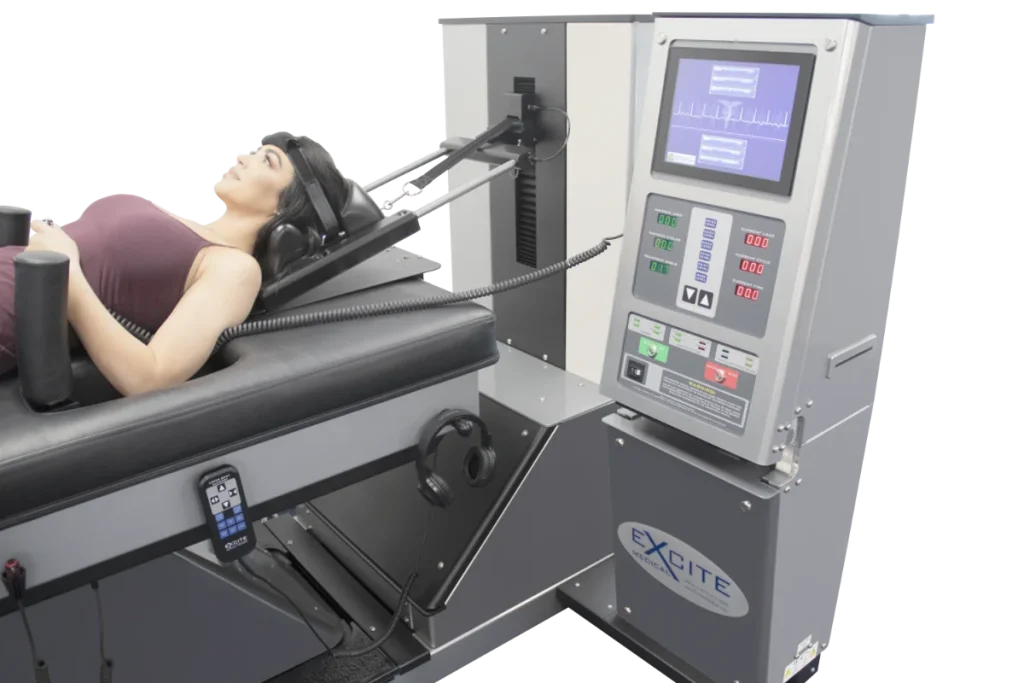
Many migraine sufferers experience referred pain from the cervical spine or jaw. Virginia Joint and Spine specializes in non-invasive treatments to address these musculoskeletal contributors. Therapies may include spinal adjustments, soft tissue mobilization, and regenerative medicine techniques designed to repair damaged tissue. Addressing the structural integrity of the neck and spine reduces the neural inputs that sensitize the brain to migraine triggers. This focus allows for pain relief without the recovery time or risks associated with surgical interventions.
Developing Your Personalized Treatment Plan
Successful migraine management requires a multifaceted strategy. The team at Virginia Joint and Spine collaborates to build comprehensive plans that integrate medical interventions with physical rehabilitation. This might include combining Migraine Treatment in Great Falls, VA, with nutritional counseling and physical therapy. Regular follow-ups ensure the plan evolves as the patient’s condition improves. By coordinating care across different modalities, the practice ensures that all factors contributing to the migraine disorder are addressed simultaneously for optimal outcomes.
Building a Sustainable, Migraine-Resilient Lifestyle
The Importance of Consistent Sleep Hygiene
The migraine brain craves routine, particularly regarding sleep. Establishing a strict sleep schedule involves waking up and going to bed at the same time every day, including weekends. This regularity regulates the circadian rhythm, a key factor in neurological stability. Creating a bedroom environment conducive to sleep—cool, dark, and screen-free—facilitates deeper rest. Avoiding stimulants like caffeine or large meals before bed prevents disruptions. Prioritizing sleep quality serves as a foundational element in preventing the neurological volatility that leads to attacks.
Nutritional Strategies for Long-Term Management
Long-term dietary habits influence inflammation levels and trigger thresholds. Adopting an anti-inflammatory diet rich in omega-3 fatty acids, fruits, vegetables, and whole grains supports overall brain health. Hydration remains paramount; even mild dehydration can precipitate a headache. Drinking water consistently throughout the day and limiting diuretic beverages helps maintain fluid balance. Avoiding skipped meals prevents blood sugar crashes that trigger migraines. Nutritional consistency supports the body’s physiological balance, raising the threshold for migraine activation.
Tracking Progress and Adjusting Your Plan
Management is an ongoing process rather than a one-time fix. Continuing to use a migraine diary allows for the tracking of long-term trends and the effectiveness of new treatments or lifestyle changes. Data regarding attack frequency, severity, and medication usage provides the necessary information for healthcare providers to adjust prescriptions or therapies. Reviewing this data periodically helps identify new triggers or successful interventions. Flexibility in the treatment plan ensures it remains effective as the patient’s lifestyle and biology change over time.
Conclusion
Managing migraines requires a comprehensive understanding of the condition’s biological complexity and individual triggers. From identifying dietary and environmental factors to utilizing a mix of home remedies and advanced medical treatments, relief comes from a multi-pronged approach. Consistent lifestyle adjustments in sleep and nutrition lay the groundwork for long-term resilience. Migraine Treatment in Great Falls, VA, offers specialized resources to navigate this challenging condition.
Relief is attainable through diligent management and professional support. Patients do not have to endure pain in isolation or accept it as a permanent state. Integrated care plans that address both neurological and musculoskeletal aspects of migraines provide a path toward reduced frequency and severity.
Take control of your health today. Schedule a consultation with Virginia Joint and Spine to discuss personalized options for Migraine Treatment in Great Falls, VA.


